Climb the world's highest peaks without leaving the classroom. Students explore mountain environments through immersive VR — from volcanic formations to snow-capped summits — understanding how mountains form, what lives there and why they matter to our planet.
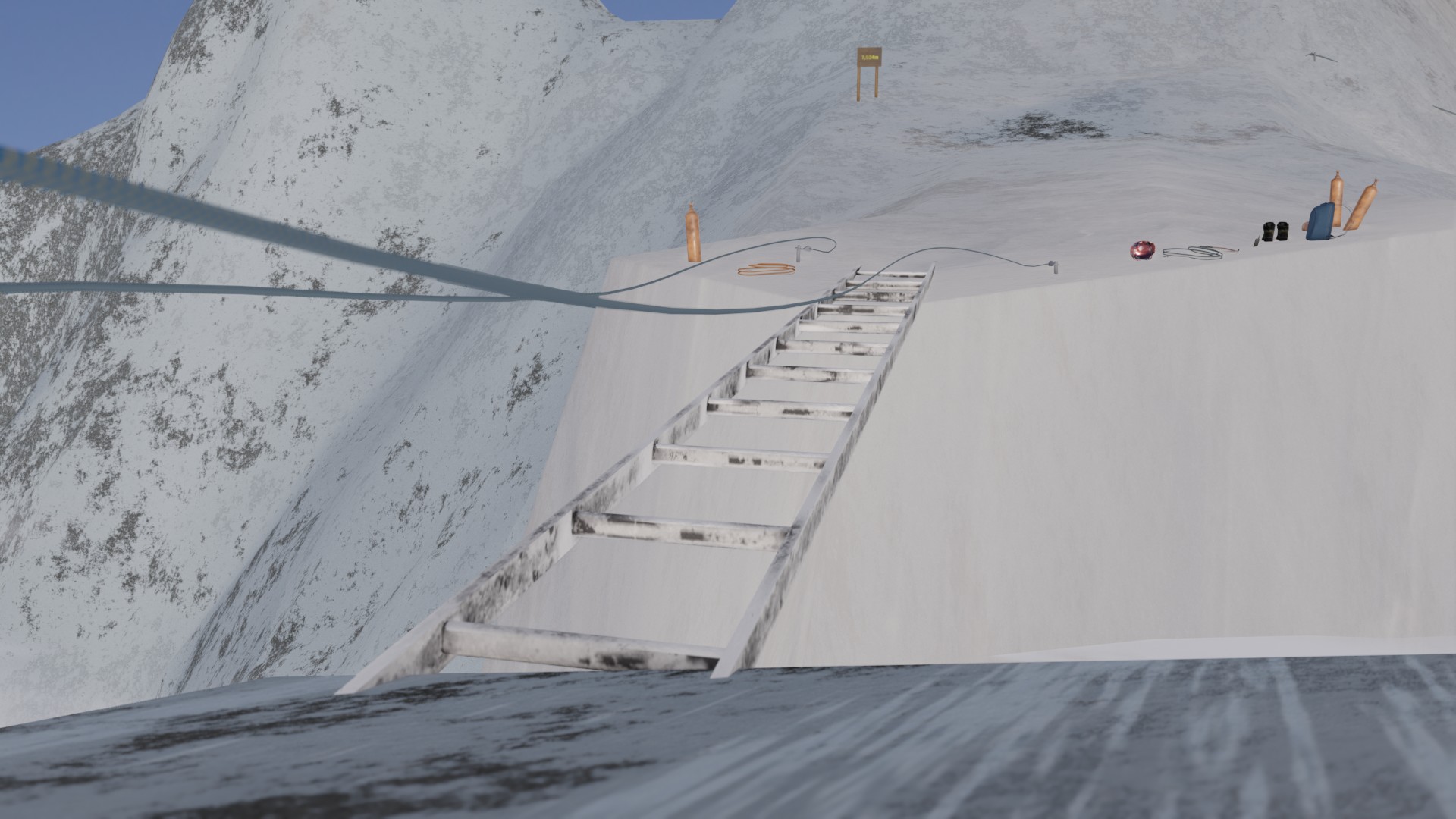
The Mountains VR workshop takes students to the most extreme and dramatic landscapes on Earth. Through 360° virtual reality, children stand on the summit of Everest, explore the Alps, and witness the geological forces that push rock miles into the sky.
KS1 students explore what mountains look like, where they are, and what animals and plants live there. KS2 students investigate plate tectonics, erosion, weathering, and how mountains shape weather patterns and human settlement. Every activity crosses science and geography boundaries.
Book a full-day visit and choose a different VR topic for every year group — making it super specific to each class's curriculum and exceptional value for money.
Each session includes a Virtual Reality segment where students are transported into immersive environments. Using class sets of VR headsets, children explore 360° recreations of scientific environments — from standing on melting ice caps to walking among dinosaurs.
Stand on the summit of Everest and other famous peaks, experiencing the scale and conditions at extreme altitude.
All year groupsInteractive demonstration showing how tectonic plates collide, fold and push rock upwards to create mountain ranges.
KS2Hands-on experiments showing how water, ice and wind wear down mountains over time — connecting to rocks and weathering.
KS2Explore what lives at different altitudes — from forests to alpine meadows to barren rock — understanding habitat zonation.
KS1+Reading contour maps and creating 3D models of mountains — cross-curricular geography and maths skills.
KS2Team challenge where students plan a mountain expedition, considering weather, equipment, food and safety.
All year groupsStudents understand how mountains form through tectonic activity, folding and volcanic processes.
Students can use maps, identify mountain features and understand how landscape shapes human activity.
Students understand the forces that break down and reshape the Earth's surface over time.
Students understand how living things adapt to survive in extreme mountain environments.
Up to 4 sessions
Up to 6 sessions
Sessions run 45–50 minutes. We're flexible — we'll work around your timetable.
Schools love combining Science and History VR — giving students a full spectrum of immersive learning in a single day.
View History Workshops →British Science Week 2027 runs 5–14 March. Our primary school hub includes a free assembly script, activity ideas by year group and a full planning timeline.
BSW 2027 free assembly script and activity ideas →