Dive into the world's oceans and discover the incredible diversity of marine life — from Arctic polar bears to Antarctic penguins, the warm waters of the Gulf of Mexico to the deepest ocean floor. Through immersive VR, students explore polar ecosystems, ocean plastics and the human impacts threatening our seas.
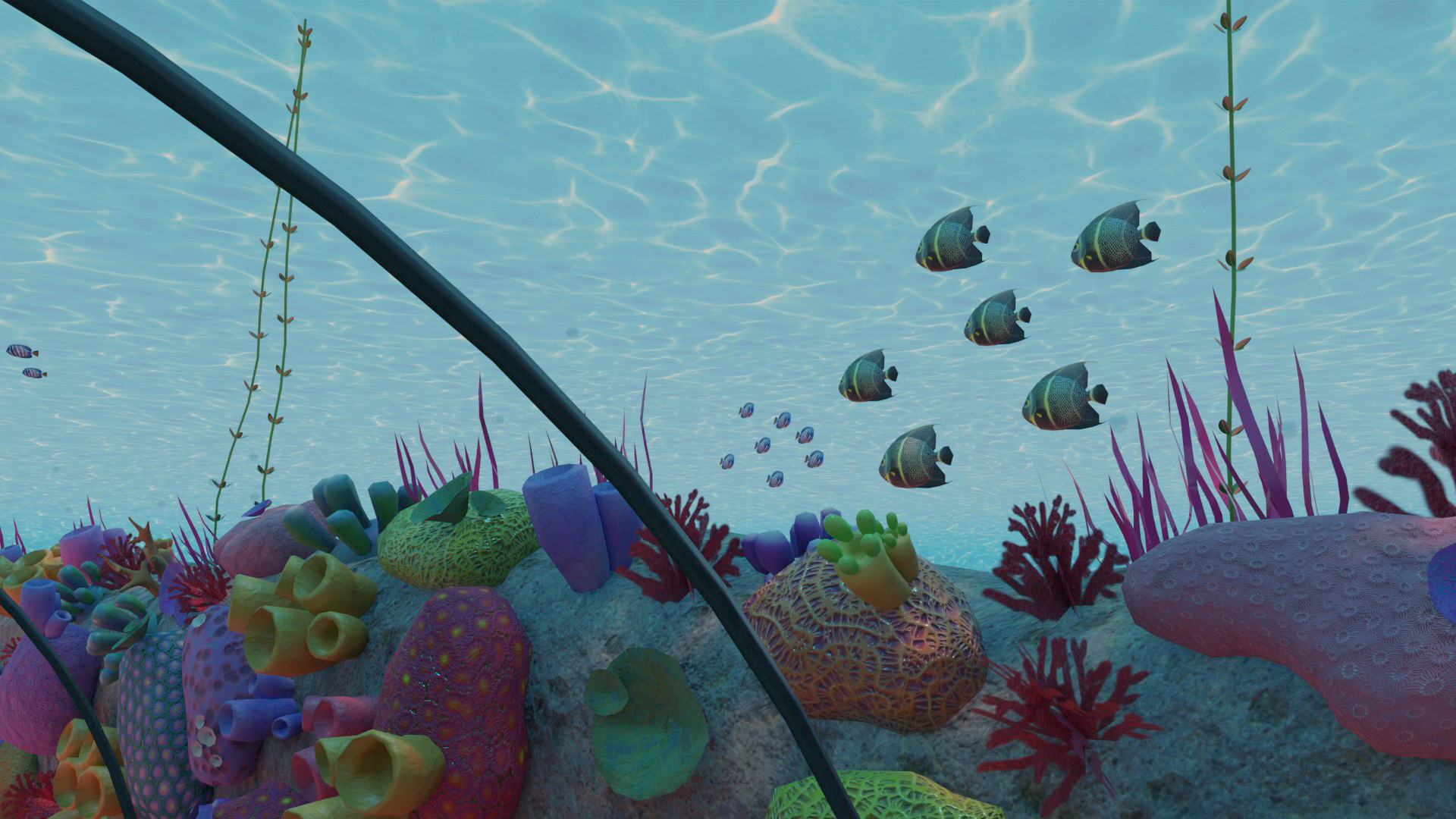
The Our Seas VR workshop takes students on an epic journey across the world's oceans and polar regions. Children travel to the Arctic to meet polar bears and walruses, visit Antarctica to observe penguins and orca whales, dive into the Gulf of Mexico to explore coral reefs and oil rigs, witness the devastating impact of ocean plastic pollution and descend to the ocean floor to discover deep-sea life.
KS1 students explore different ocean habitats, the animals that live there and why these environments matter. KS2 students investigate how climate change is affecting polar ecosystems, how oil drilling and pollution threaten marine life, and what actions we can take to protect our seas. Every session connects science with real-world conservation.
Book a full-day visit and choose a different VR topic for every year group — making it super specific to each class's curriculum and exceptional value for money.
Each session includes a Virtual Reality segment where students are transported into immersive environments. Using class sets of VR headsets, children explore 360° recreations of scientific environments — from standing on melting ice caps to walking among dinosaurs.
Travel to the Arctic and explore one of the planet's most extreme environments. Students discover polar bears, walruses and Arctic terns, observe how animals have adapted to survive freezing temperatures, and investigate the effects of climate change on the melting ice caps.
VR SceneJourney to Antarctica and witness its unique wildlife up close. Students observe colonies of penguins, leopard seals resting on ice floes and orca whales patrolling the waters — learning how these species depend on the fragile polar ecosystem to survive.
VR SceneExplore one of the world's most biodiverse marine regions — home to coral reefs, dolphins, sea turtles and sharks. Students identify natural resources, dive underwater to investigate marine habitats and discover how oil drilling and pollution threaten these fragile ecosystems.
VR SceneDive into the ocean to see how plastic waste harms marine life. Sea creatures mistake microplastics for food, larger items trap and injure animals, and the entire food chain is affected. Students explore solutions through reducing and recycling.
VR SceneDescend to the ocean floor and discover a hidden world of deep-sea creatures, underwater landscapes and geological features. Students explore ocean trenches, volcanic vents and coral formations — learning how life thrives in the deepest parts of our seas.
VR SceneStudents can describe the climate, flora and fauna of both Arctic and Antarctic environments and compare the two polar regions.
Students understand how marine organisms are adapted to survive in diverse ocean environments from warm tropical waters to freezing polar seas.
Students can explain how oil drilling, plastic pollution and climate change threaten marine ecosystems and the species that depend on them.
Students understand the importance of protecting ocean habitats and can suggest actions to reduce harm to marine life and ecosystems.
Up to 4 sessions
Up to 6 sessions
Sessions run 45–50 minutes. We're flexible — we'll work around your timetable.
Schools love combining Science and History VR — giving students a full spectrum of immersive learning in a single day.
View History Workshops →Planning for British Science Week 2027 (5–14 March)? Our primary school hub has activity ideas, a free assembly script and the planning timeline.
full British Science Week 2027 guide →