Science

Our Seas VR

Dive into the world's oceans and discover the incredible diversity of marine life — from Arctic polar bears to Antarctic penguins, the warm waters of the Gulf of Mexico to the deepest ocean floor. Through immersive VR, students explore polar ecosystems, ocean plastics and the human impacts threatening our seas.
Students diving into the ocean in VR

Duration

40–50 mins

Class Size

Up to 32

Suitable For

KS1–KS2

What's Included

VR + Resources

See our seas through new eyes

The Our Seas VR workshop takes students on an epic journey across the world's oceans and polar regions. Children travel to the Arctic to meet polar bears and walruses, visit Antarctica to observe penguins and whales feeding on krill, dive into the Gulf of Mexico among dolphins, sea turtles and mangroves, explore a living coral reef, witness the impact of ocean plastic pollution and descend to the ocean floor to discover deep-sea life.

KS1 students explore different ocean habitats, the animals that live there and why these environments matter. KS2 students investigate how climate change is affecting polar ecosystems, how plastic pollution threatens marine life, and what actions we can take to protect our seas. Every session connects science with real-world conservation.

Book a full-day visit and choose a different VR topic for every year group — making it super specific to each class's curriculum and exceptional value for money.

VR Experience

VR Experience

Each session includes a Virtual Reality segment where students are transported into immersive environments. Using class sets of VR headsets, children explore 360° recreations of scientific environments — from standing on melting ice caps to walking among dinosaurs.

360° Immersive Environments
Fully immersive scientific recreations
Shared Headset Experience
One headset between two, per screen time recommendations
Guided Experience
Facilitator-led narration throughout
Curriculum Aligned
Mapped to National Curriculum KS1/KS2

What Students Do

1

Polar Ecosystem — The North

Travel to the Arctic, an ocean covered in sea ice. Students discover polar bears, seals and walruses, observe how animals have adapted to survive freezing temperatures, and investigate what melting ice means for them.

VR Scene
2

Polar Ecosystem — The South

Journey to Antarctica, the coldest place on Earth. Students observe penguins that live only in the south, whales that come to feed on tiny krill, and the ice sheet that holds most of the world's fresh water.

VR Scene
3

Gulf of Mexico

Explore one of the world's most biodiverse marine regions — home to dolphins, sea turtles and coral reefs, with mangrove trees protecting the coast. Students dive underwater to investigate these habitats.

VR Scene
4

Ocean Plastics

Dive into the ocean to see how plastic waste harms marine life. Sea turtles mistake plastic bags for jellyfish, microplastics enter the food chain, and plastic takes hundreds of years to break down. Students explore how using less can help.

VR Scene
5

Ocean Floor

Descend below 1,000 metres, where no sunlight reaches. Students explore the mountains and valleys of the ocean floor and meet deep-sea creatures that make their own light — bioluminescence.

VR Scene
6

Coral Reefs

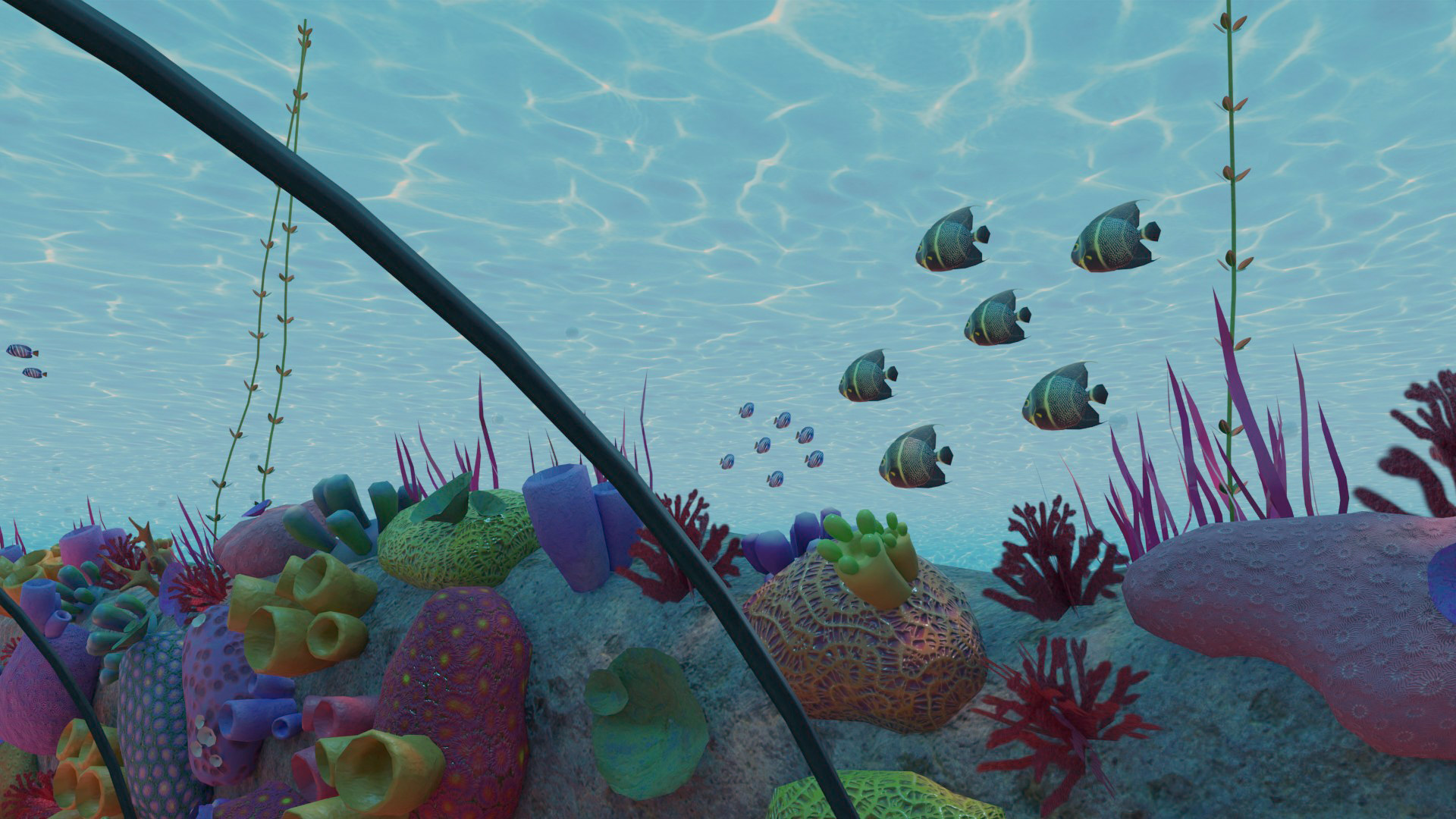
Swim through the rainforests of the sea. Coral reefs cover less than 1% of the ocean floor yet are home to more than a quarter of all sea creatures. Students learn that coral is alive and needs clean, warm water to stay healthy.

VR Scene

Learning Outcomes

Polar ecosystem knowledge

Students can describe the climate, flora and fauna of both Arctic and Antarctic environments and compare the two polar regions.

Marine habitats and adaptation

Students understand how marine organisms are adapted to survive in diverse ocean environments from warm tropical waters to freezing polar seas.

Human impact on oceans

Students can explain how plastic pollution and climate change threaten marine ecosystems and the species that depend on them.

Marine conservation awareness

Students understand the importance of protecting ocean habitats and can suggest actions to reduce harm to marine life and ecosystems.

Pricing & Workshop Day

Half Day

Up to 4 sessions

£599
Up to 4 workshops · £4.68 per pupil
  • 45–50 min per session
  • Up to 32 pupils per session
  • EYFS–Year 6 adaptable
  • VR & all resources included
  • Dedicated facilitator

Sample full-day timetable

Sessions run 45–50 minutes. We're flexible — we'll work around your timetable.

9:00–9:40
Session 1
Y3 · 40 min
9:45–10:25
Session 2
Y4 · 40 min
10:25–10:40
Morning break
10:40–11:20
Session 3
Y5 · 40 min
11:25–12:05
Session 4
Y6 · 40 min
12:05–1:00
Lunch break
1:00–1:35
Session 5
Y1 · 35 min
1:40–2:15
Session 6
Y2 · 35 min
Want to combine Science with History VR?

Mix and match your workshop day

Schools love combining Science and History VR — giving students a full spectrum of immersive learning in a single day.

View History Workshops →
⭐ British Science Week 2027

Pairing this workshop with British Science Week?

Planning for British Science Week 2027 (5–14 March)? Our primary school hub has activity ideas, a free assembly script and the planning timeline.

full British Science Week 2027 guide →

Related Science Workshops

📅 Ready to book?

Bring this workshop to your school

Pick your dates and we'll match you with the perfect presenter. Most schools book in under 2 minutes — full pricing, availability and presenter confirmed instantly.

Book This Workshop →
⭐ Trusted by 1,800+ UK primary schools · Rated 9.3/10

Have a question before you book?
Email us at hi@spark2.org — we reply within one working day.