VR-enhanced Vikings workshops for primary schools. Board a Viking longship as the warriors set sail. Carve real rune stones. Map the Viking voyages from Scandinavia to North America. Decode Norse mythology beyond the Marvel films. Built for Y4 to Y6 — with the depth Vikings deserves.
The KS2 curriculum pairs them together: “the Viking and Anglo-Saxon struggle for the Kingdom of England”. A full workshop day can cover both — Vikings in the morning, Anglo-Saxons in the afternoon. Or focus deeply on one.
Spring is the most-common term for primary Vikings teaching, often as a Y5 unit. Workshop bookings fill from January through to Easter — book by October for first pick of dates.
Unlike Romans (locked to Y3/Y4) or WW2 (typically Y6), Vikings can slot into any KS2 year. Many Y4 teachers introduce them, Y5 covers them in depth, and Y6 returns to them as part of a chronology theme.
A full-day visit can cover both units. The morning explores Viking raids, longships and Norse mythology; the afternoon switches to Anglo-Saxon settlements, Sutton Hoo and Alfred the Great. Two units, one workshop fee.
Most pupils arrive thinking they know the Vikings — bearded raiders with horned helmets, screaming as they leap off longships. The actual Vikings are far more interesting: master shipbuilders, long-distance traders, settlers who reached North America 500 years before Columbus, poets, lawmakers, and the people who shaped half of the English language.
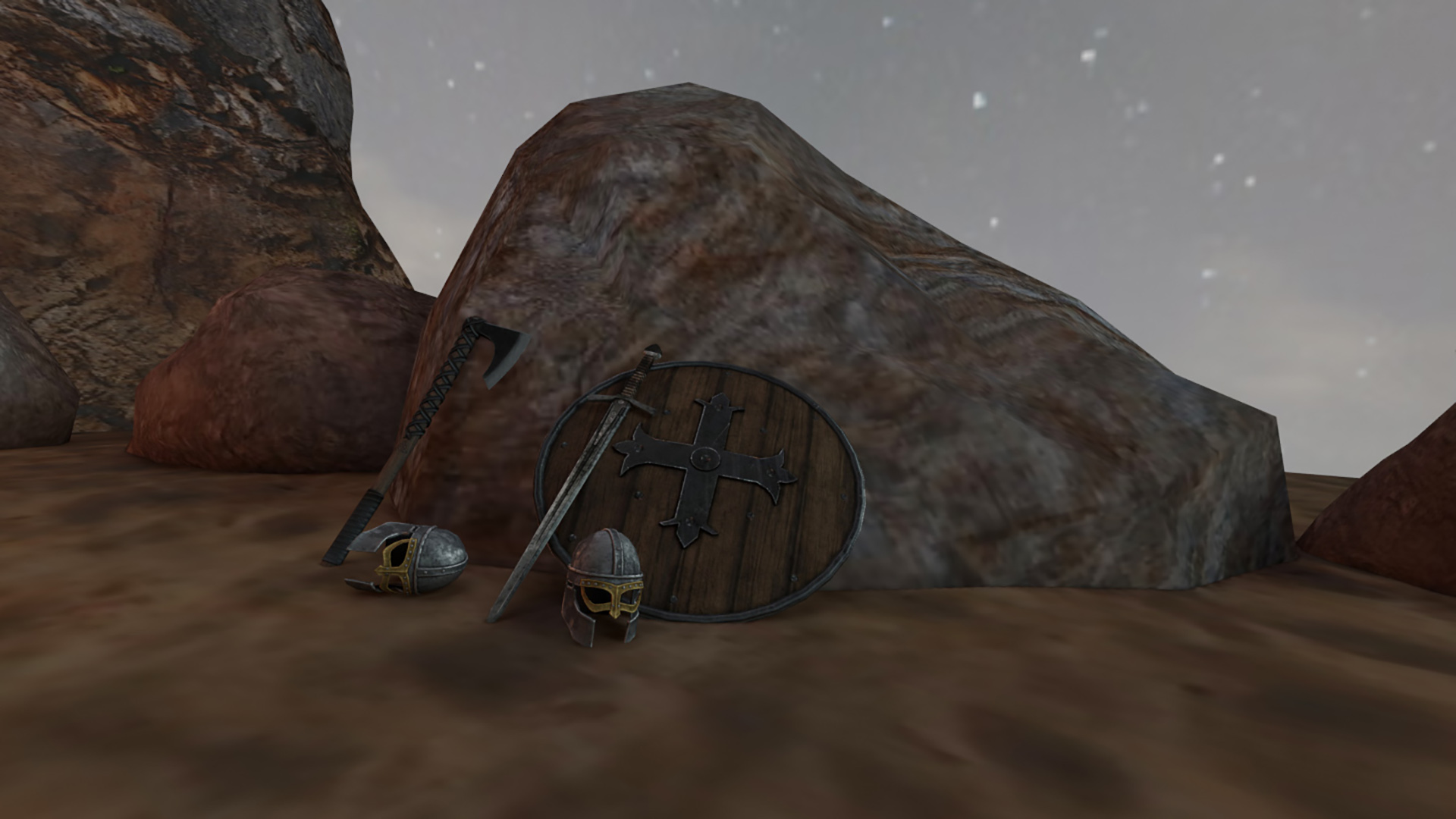
Spark2’s workshop replaces the cartoon Viking with the real one. VR puts pupils aboard a majestic Viking longship, exploring its design and the engineering that took Vikings from Scandinavia to Iceland, Greenland and Newfoundland. Hands-on activities include carving real rune stones, designing and decorating Viking shields, role-playing in a trade market, and listening to Norse mythology told as it would have been around a Viking fire.
Built for the KS2 statutory Vikings unit — with the depth, accuracy and engagement that turns a topic pupils think they know into one they actually understand.
The National Curriculum requires KS2 schools to deliver this combined unit, typically in Year 4 or Year 5. Pupils should learn about Viking raids and invasions, the resistance led by Alfred the Great, Athelstan’s unification, the Danelaw, and Edward the Confessor leading to 1066. Our workshop covers the Viking half of the story in depth.
Your facilitator selects the right activities and depth for the year groups in the room. Book a full day to combine Vikings with Anglo-Saxons, or go deep into Viking-only content across multiple year groups.
The signature VR scene. Pupils board a Viking longship as the warriors set sail across the North Sea. They see the shallow draft, the iconic prow, the row of shields along the hull — and understand the engineering that took the Vikings further than anyone had been before.
VR ExperienceVR takes pupils inside a Viking workshop — seeing the smithy, the woodwork, the leather tanning, the craft that produced the swords, jewellery and tools the Vikings traded across Europe. The real economy behind the raids.
VR ExperienceAn animated VR scene of a Viking village — the longhouses, the fire, the families. Pupils see how Vikings actually lived day-to-day, learn what they ate and wore, and understand that most Vikings were farmers and traders, not raiders.
VR ExperienceHands-on mapping activity. Pupils trace Viking voyages from Scandinavia — raids on Britain, settlements in Iceland and Greenland, exploration of Vinland (modern Newfoundland), and trade routes to Constantinople. The Vikings as the first true globalists.
Hands-OnHands-on rune-stone carving plus Norse mythology storytelling. Pupils learn the runic alphabet, carve their own names, design a Viking shield, and hear Norse myths told as they would have been told around a fire — Odin, Thor, Loki, Ragnarok. Beyond the Marvel version.
Hands-OnEvery session is designed around measurable outcomes that align with the National Curriculum and build historical thinking skills.
Pupils understand Viking shipbuilding innovation and navigation skills — how the longship took them further than any European had been before.
Pupils understand the Vikings as far more than raiders — as traders, farmers and settlers who shaped half of Europe and reached North America.
Pupils can recognise the runic alphabet, write simple Viking inscriptions, and understand what these stones tell us about Viking culture.
Pupils understand Norse mythology beyond the Marvel films — the gods, the stories, and what they tell us about how the Vikings saw the world.
We bring everything — facilitator, VR headsets, rune stones for carving, shield-decorating materials, replica artefacts and resource packs. Book a full day to combine Vikings with Anglo-Saxons.