Journey inside the human body. Students shrink down and travel through the circulatory system in immersive VR — watching blood flow through arteries, seeing the heart beat from the inside, and understanding how our bodies keep us alive. An experience no textbook can match.
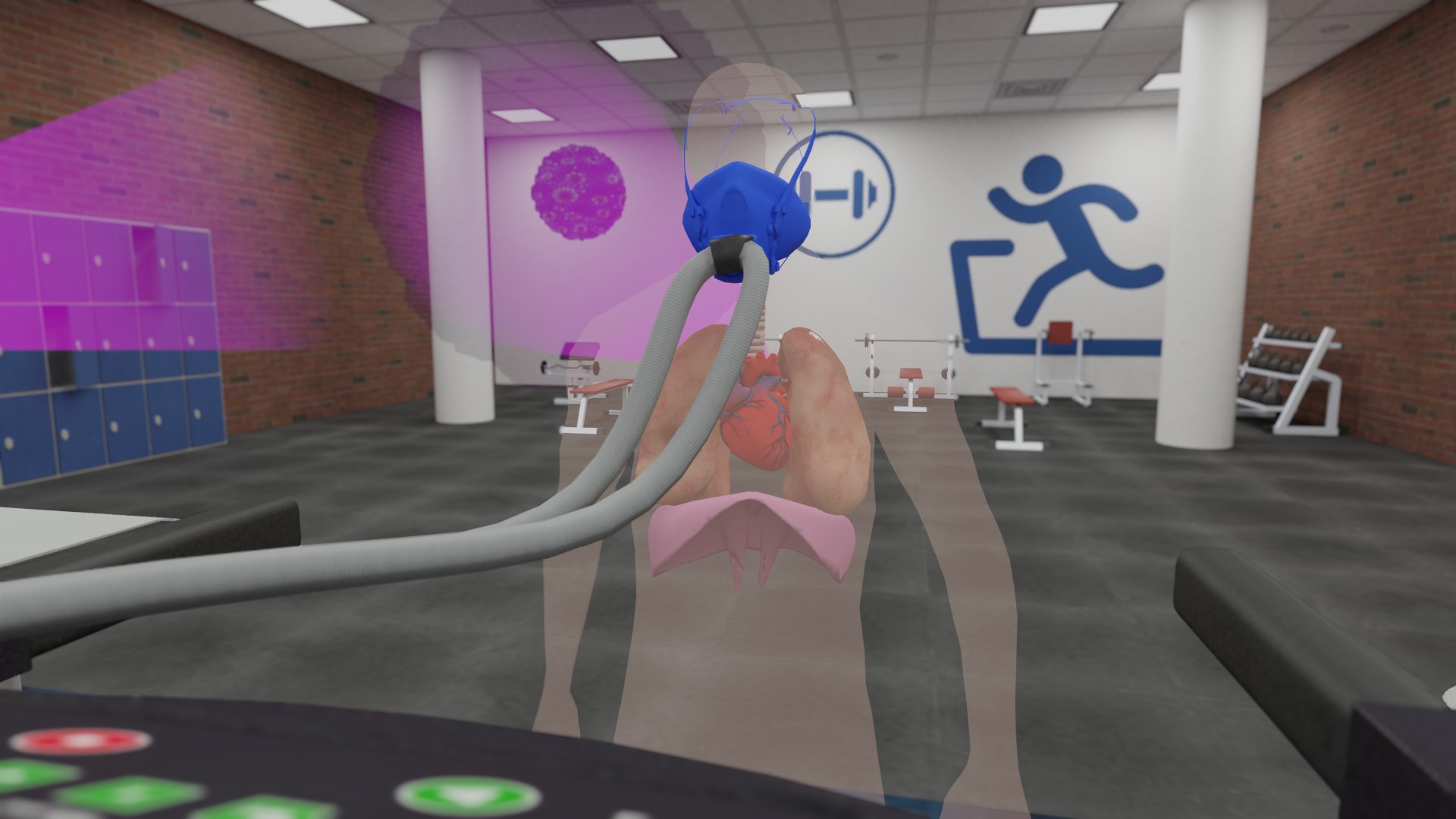
The Human Body VR workshop gives students an impossible perspective — shrinking down to travel inside the circulatory system. Children watch red blood cells flowing through arteries, stand inside a beating heart chamber, and see oxygen exchange happening in the lungs. It makes the abstract tangible.
Year 5 students focus on the heart, blood vessels and the route blood takes around the body. Year 6 students investigate how diet, exercise and lifestyle affect body function. Every session includes both VR immersion and hands-on practical activities — pulse measurement, stethoscope use and body system modelling.
Book a full-day visit and choose a different VR topic for every year group — making it super specific to each class's curriculum and exceptional value for money.
Each session includes a Virtual Reality segment where students are transported into immersive environments. Using class sets of VR headsets, children explore 360° recreations of scientific environments — from standing on melting ice caps to walking among dinosaurs.
Stand inside a beating human heart in VR, watching blood flow through all four chambers and understanding valve function.
Y5–Y6Follow a red blood cell through the entire circulatory system in VR — arteries, capillaries, lungs and back to the heart.
Y5–Y6Hands-on measuring pulse rate at rest and after exercise, recording data and understanding what heart rate tells us.
Y5–Y6Build working models of the circulatory system using tubes, pumps and coloured water — engineering meets biology.
Y5–Y6Investigate how diet, exercise and lifestyle choices affect the heart — using evidence to make health recommendations.
Y6Interactive team quiz testing knowledge of body organs, their functions and how systems work together.
Y5–Y6Students can name the main parts of the circulatory system and describe the function of heart, blood vessels and blood.
Students measure pulse, record data and draw evidence-based conclusions about exercise and heart health.
Students understand how diet, exercise and drugs affect body function and can make informed choices.
Students understand that the body is made up of interconnected systems that work together.
Up to 4 sessions
Up to 6 sessions
Sessions run 45–50 minutes. We're flexible — we'll work around your timetable.
Schools love combining Science and History VR — giving students a full spectrum of immersive learning in a single day.
View History Workshops →Putting together your British Science Week 2027 plans? Our primary school hub has free downloads, year-group activity ideas and dates for the diary.
British Science Week 2027 hub for primary schools →