VR-enhanced Stone Age workshops for primary schools. Walk among the standing stones of Stonehenge. Explore Lanyon Quoit on the Cornish moors. Construct a Stone Age shelter. Paint cave art. The KS2 statutory first history unit — brought vividly to life for Y3.
Stone Age is the unit that introduces Y3 pupils to chronology beyond living memory for the first time. Get this one right and the rest of KS2 history runs smoothly. Get it wrong — or skip it — and they spend the next four years catching up.
The vast majority of UK primary schools deliver Stone Age in autumn Y3 — the first KS2 history unit pupils encounter. Workshop bookings peak September to December — book by July if possible to secure your preferred dates.
Some schools spread the Stone Age to Iron Age unit across two terms. Our workshop fits perfectly as a spring launch into the Bronze Age and Iron Age stages, with cave art and shelter-building anchoring the prehistoric chronology.
Many Y3 teachers save the workshop for the end of the topic — using VR and hands-on activities to consolidate everything pupils have learned. Stonehenge in VR becomes the memorable image they carry forward into Y4.
Stone Age is hard to teach for one simple reason: pupils have never met anyone who lived through it, can’t see a film about it, and can’t read a contemporary account. There’s no Anne Frank diary for prehistory. So Y3 history teachers have to bridge a 5,000-year gap with very little material — and very abstract concepts (chronology, archaeology, evidence).
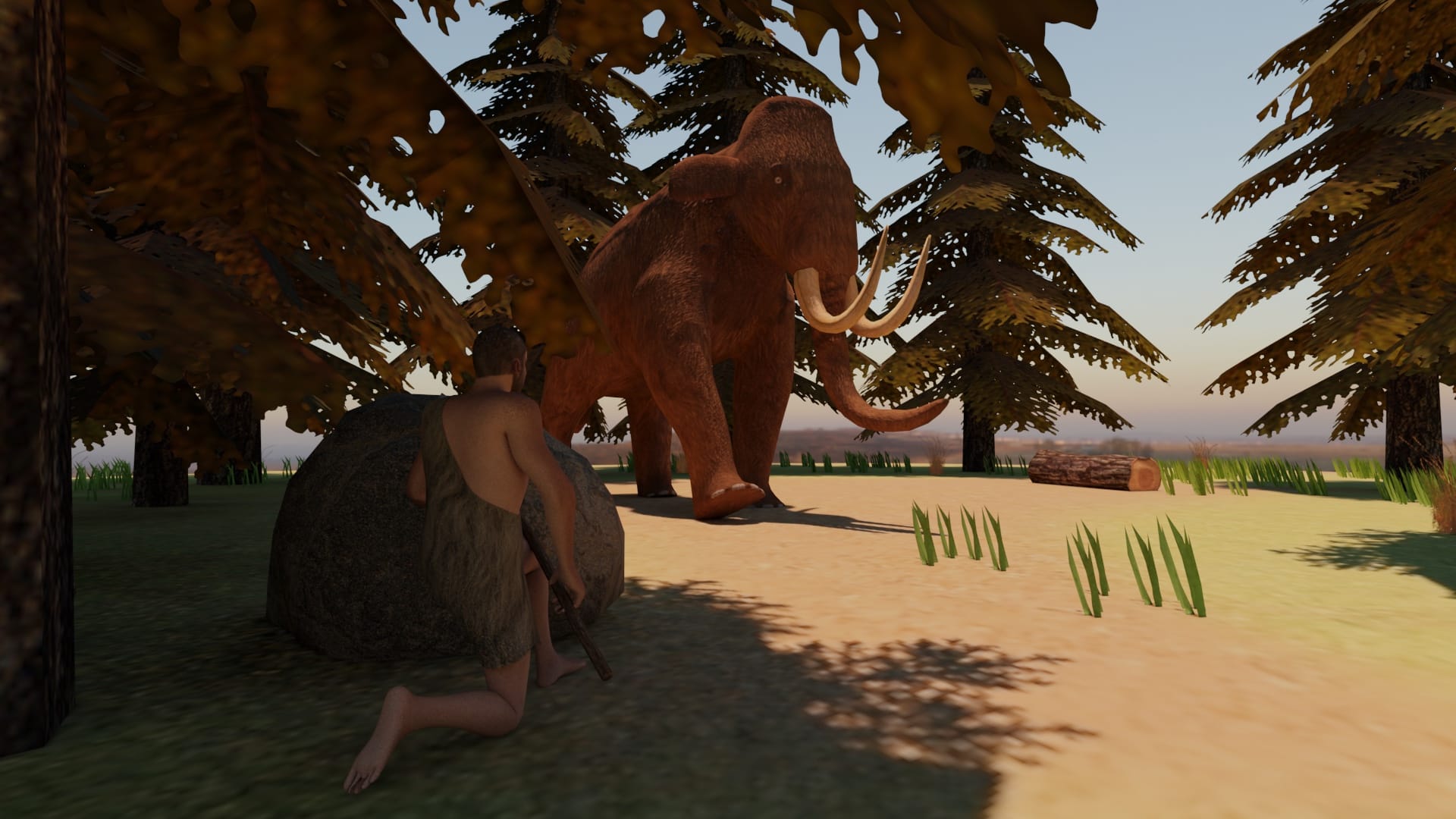
Spark2’s workshop fixes that. VR puts pupils inside Stonehenge, the Lanyon Quoit dolmen on the Cornish moors, and prehistoric landscapes they’d otherwise never see. Hands-on activities anchor the abstract: pupils construct a Stone Age shelter from real materials, paint their own cave art, handle replica tools, and role-play around the fire. The chronology starts to feel real.
Perfect as the wow-factor topic-launch day at the start of Y3, the consolidation day at the end, or a spring-term anchor when the topic spans two terms.
The National Curriculum requires KS2 schools to deliver “changes in Britain from the Stone Age to the Iron Age”. This is one of six compulsory KS2 history units — and typically the very first one pupils encounter. Our workshop is built to give Y3 a flying start.
Your facilitator selects the right activities and depth for Year 3 — from gentler introductions for early autumn to deeper engagement for confident summer-term pupils.
VR transports pupils to the Lanyon Quoit dolmen on the Cornish moors — one of Britain’s most iconic Neolithic monuments. They explore its structure, the surrounding prehistoric landscape, and the puzzle of how Stone Age people moved and balanced massive stones.
VR ExperienceThe signature Stone Age VR scene. Pupils walk among the standing stones of Stonehenge at sunrise — understanding its scale, hearing the theories about its construction and purpose, and connecting it to what was happening across prehistoric Britain.
VR ExperienceHands-on shelter-building using real materials. Pupils work in teams to construct a Stone Age dwelling, learning about Mesolithic and Neolithic settlements, the move from hunter-gatherer to farmer, and what counted as “home” 5,000 years ago.
Hands-OnPupils handle replica Stone Age tools, hunting weapons, jewellery and pottery. They discover what people ate, how they made fire, what they wore, and how families lived in roundhouses. Daily life made tangible.
Hands-OnPupils create their own cave art using natural pigments — reflecting on the cave paintings at Lascaux, Altamira and Chauvet. They learn why early humans painted, what the images tell us, and the importance of art as one of humanity’s oldest forms of communication.
Hands-OnEvery session is designed around measurable Y3 outcomes that align with the National Curriculum and build the historical thinking skills KS2 will need for the next four years.
Pupils start to place the Stone Age, Bronze Age and Iron Age in chronological order — the foundation for all future KS2 history.
Pupils understand how we know what we know about prehistory — artefacts, monuments and cave art as evidence of long-gone people.
Pupils understand the move from hunter-gatherer to farmer, how Stone Age people lived, and what counted as community in prehistoric Britain.
Pupils understand cave art as one of humanity’s oldest forms of communication — and what those images can tell us about people who left no written records.
We bring everything — facilitator, VR headsets, real shelter materials, natural cave art pigments, replica artefacts and resource packs. Book a full day to extend the Stone Age morning with another KS2 history topic in the afternoon.