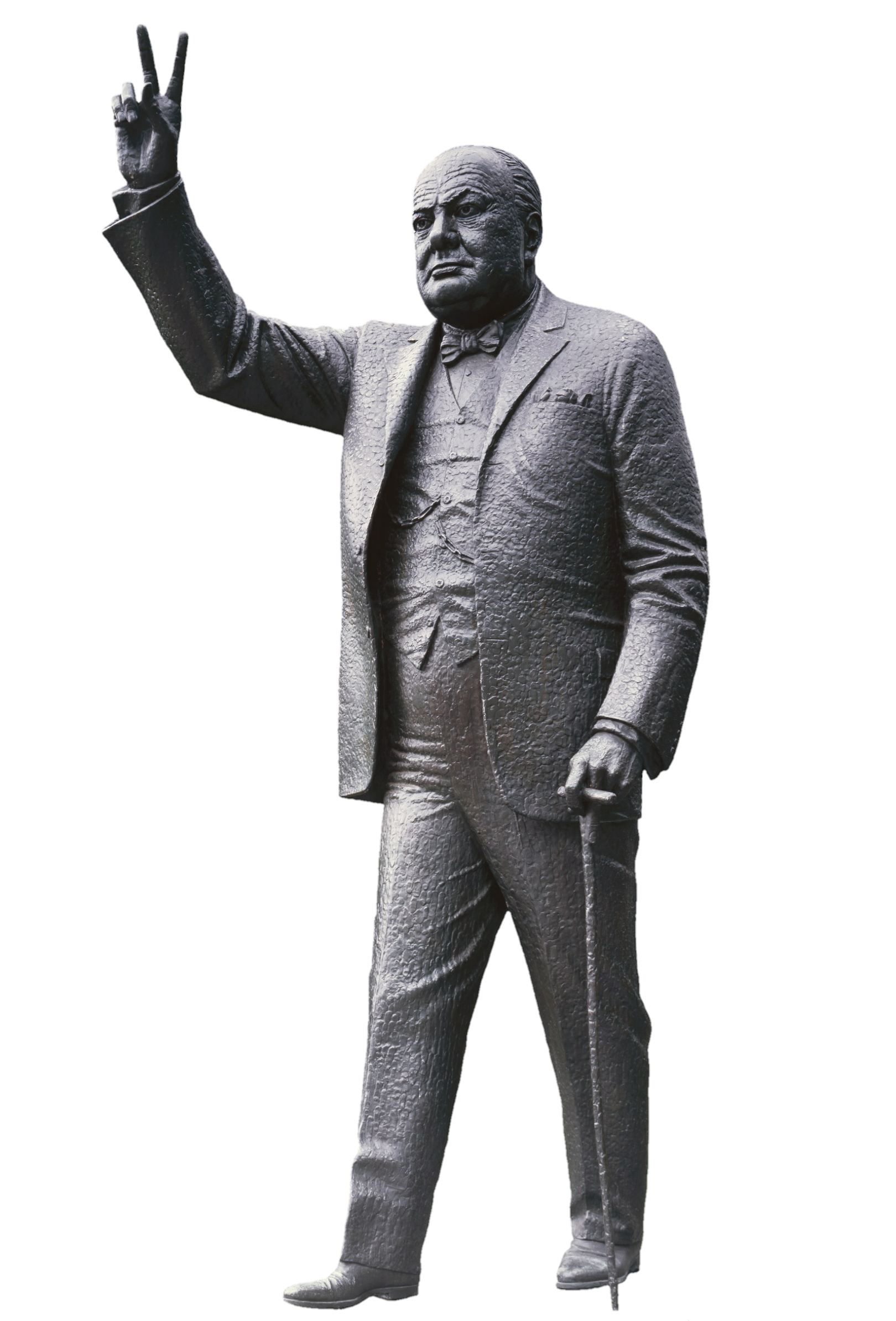
 Churchill — whose 3pm BBC broadcast on 8th May 1945 told the country the war in Europe was over.
A drop-in classroom plan for English primary schools — assembly script, KS1 bunting, KS2 letters from 1945, the national 2-minute silence, and a short reflective close. Free, no signup, runs as-is.
VE Day 81 falls on Friday 8th May 2026 — the anniversary of Victory in Europe Day, when the war in Europe officially ended in 1945. This isn't a bank holiday in 2026 (that's Monday 4 May), so the date itself is a regular school day — but it lands at the end of a half-term week, which makes it a natural moment to stop and mark.
If it slipped past your half-term planning, here are five drop-in activities you can run as-is or hand to a colleague — assembly, KS1 bunting, KS2 letters, the national 2-minute silence, and a short reflective close. Total run-time across all five is about 50 minutes if you do everything; pick what fits your timetable. Everything below is the full content — there's nothing to download, no resources to print (unless you want to).
Churchill — whose 3pm BBC broadcast on 8th May 1945 told the country the war in Europe was over.
Open the VE Day assembly slideshow → — put it on the hall screen and read the script alongside it.
Read the script below aloud. It's structured in three beats — what life had been like, what the announcement sounded like, what changed the next morning — so children can follow it whether they're 4 or 11.
Beat 1 — what people had been living through (≈90 seconds)
Beat 2 — what the announcement sounded like (≈90 seconds)
Beat 3 — what changed the next morning (≈60 seconds)
Children make a triangle of paper bunting (red, white, or blue) and write a one-line thank-you sentence on each piece to someone who lived through 1945 — a great-grandparent, a neighbour, a name from the local memorial, or just "someone who lived through it." String the bunting across the classroom or down the assembly hall.
Read a few aloud at the end. Don't ask for volunteers — pick three at random so it's not the loud kids. The honesty of "Thank you for not running away even when it was scary" from a six-year-old is the moment that lands.
Each child writes a one-page letter, dated 8th May 1945, from the perspective of a child their age hearing the announcement. They imagine where they were, who they were with, and what the first thing they did was. It's a "writing in role" activity — strong cross-curricular link to English, doubles as a literacy lesson.
Read the assembly script's Beat 2 and Beat 3 (above) aloud first if children haven't been to assembly. Then put the three prompts on the board. Children write the date — 8th May 1945 — at the top of their page.
Quiet writing time. Encourage them to start anywhere — they don't need to answer the prompts in order. The sound and smell details (church bells, blackout curtains coming down, neighbours' radios) are what make it real.
Pick 2-3 to read aloud. Or, if they're shy, read the best opening sentences yourself.
At 12pm on Friday 8th May, the country observes a 2-minute silence to remember those who served and died in the Second World War. Many primary schools build it into the day immediately after morning break or at the start of lunch. It's the simplest, most powerful thing you can do.
VE Day is rightly framed as a moment of relief and remembrance. But for primary children, who are watching news from places like Ukraine, Gaza, Sudan, Yemen and elsewhere on phones at home, the message "the war is over" can feel disconnected from the world they're actually seeing. A short, gentle bridge at the end of the assembly closes that gap and shows the children the assembly is in conversation with their world, not separate from it.
 Crowds gather outside Buckingham Palace — the spiritual home of every national celebration since 1945.
What is VE Day? Victory in Europe Day. It marks the official end of the Second World War in Europe — 8th May 1945, the day after Nazi Germany formally surrendered.
Did the whole war end on VE Day? No — only the war in Europe. The war in Asia continued until VJ Day (Victory over Japan), 15 August 1945.
Why don't we have a bank holiday this year? The 80th anniversary in 2025 was marked with a moved bank holiday — Thursday 8th May 2025 was a national day off. For 2026 the early May bank holiday is back to its usual slot, Monday 4 May. Friday 8th May is the actual anniversary date and a regular school day.
What were the rules in 1945? Blackout (no lights visible from windows after dark) had been law since September 1939. Rationing of food, clothing and fuel had been in place since January 1940. Some rationing — sugar, sweets, meat — continued until 1953/54, eight years after VE Day.
What's the most powerful primary-friendly fact? The bells. Church bells were silenced for the entire war because their ringing was the agreed signal for invasion. They rang again for the first time on VE Day. For most children alive in 1945, that was the first time they'd ever heard them.
If VE Day's the moment your school usually does WW2, our VR workshop is the one to pencil in for autumn. Pupils stand on a 1940s street, walk through an Anderson shelter, and meet a child evacuee — all in 40 minutes, fully kit-supplied, no IT setup on your end.
Most History Coords book theirs in mid-summer for an October or November slot. Our autumn dates are open now.
See WW2 in VR →