🎯 Future Skills Passport · Free Snapshot

The 12 skills your KS2 pupils will need at 25.

Twelve future skills, mapped to the 2028 PSHE statutory framework. One classroom activity per skill (10–15 min). Plus a "Cost of being 25" maths worksheet and three career spotlights pupils will remember.

KS2 pupils in a Spark2 future skills lesson
Why this pack exists

Twelve skills. One Passport.

By the time your KS2 pupils are 25, the workplace will look nothing like it does today. The Spark2 Future Skills Passport teaches the twelve skills that stay relevant — whatever 2040 looks like. This pack is a free snapshot: one classroom activity per skill, 10–15 minutes each, ready to teach now.

The 12 future skills

One activity per skill, 10–15 minutes each.

Mapped to the 2028 PSHE statutory framework, RSE/RHE, and the wider Y5/Y6 curriculum. Run them in sequence over a half-term, or pick the four that fit your scheme of work right now.

🩹

First Aid

Knowing what to do when things go wrong.
Try this · 10 min
Recovery position drill. In pairs, practise putting each other into the recovery position. Time it. Reflect: when would you actually use this?
PSHE H39 · Y5/Y6
🧠

Mental Wellbeing

Looking after the way you think and feel.
Try this · 15 min
Feelings forecast. Pupils sketch a "weather forecast" of their week ahead. Friday afternoon: revisit. Were they right? What helped on the cloudy days?
PSHE H1–H6 · RHE
🍅

Stay Healthy

Knowing how to keep your body strong.
Try this · 15 min
Build the perfect plate. Sketch and label a balanced meal using the Eatwell guide. Pair-share: whose plate would actually work for breakfast tomorrow?
Sci Y5 · PSHE H7–H10
💻

Digital World

Working with technology, safely and well.
Try this · 15 min
Three questions for AI. Pupils write three prompts they could ask an AI to help them learn something. Discuss: which would teach them the most?
Computing · PSHE H42
📚

Learn Effectively

Knowing how YOU learn best.
Try this · 15 min
Three ways to remember. Give pupils a short list (10 words). They try saying them, drawing them, and writing them. Which stuck? That's their learning style.
Metacognition · PSHE L1
💷

Manage Money

Knowing how money actually works.
Try this · 15 min
Cost of being 25. Use the worksheet below: pupils guess what life costs each month, then compare to real numbers. Who came closest?
PSHE L19–L23 · Maths Y6
🚀

Entrepreneur

Spotting problems worth solving.
Try this · 15 min
School problem pitch. Pupils identify one annoying thing about school life and pitch a fix in 30 seconds. Vote on the best idea.
PSHE L28–L31 · S&L
🧐

Problem Solving

Working out what to do when there's no obvious answer.
Try this · 10 min
Five-in-five. Give an unusual problem (e.g. "you're locked out, no phone, no key"). 5 minutes, 5 different solutions. Reward variety.
STEM · PSHE H37
🗣

Speak Up

Saying what you think, even when it's hard.
Try this · 15 min
30-second pitch. Pupils stand and deliver a 30-second opinion on a low-stakes topic (best biscuit / worst chore). Builds the courage muscle.
S&L · PSHE R12
🤝

Teamwork

Working with people who are different from you.
Try this · 15 min
Silent build. Pairs build a paper tower in silence. Rotate partners. Discuss: which pairing was easiest, and why?
PSHE R8–R11 · PE L18
📍

Plan Future

Picturing where you want to go and how to get there.
Try this · 15 min
Letter to 16-year-old you. Pupils write a short letter to their future self at 16: what they hope they're doing, what they want to remember.
PSHE L26–L27 · RSE
🌍

Protect Planet

Caring for the world you're going to live in.
Try this · 15 min
Classroom carbon audit. Count single-use items in the room (plastic, paper, packaging). Brainstorm three swaps. Pick one to actually try.
Sci Y5/Y6 · PSHE L4
Manage Money · printable

The "Cost of Being 25" worksheet.

A 15-minute Y6 maths challenge with real-life context. Pupils guess first, then compare to the 2040 numbers. Pairs perfectly with Spark2's Manage Money workshop and the assembly's "Quick Maths" slide.

💵 Manage Money · 15 min · Y6 Maths + PSHE

What does it cost to be 25?

It's 2040. You're 25 years old, living independently for the first time. Have a go — how much do you think each line costs each month? Write your guess in the middle column. Then we'll reveal the real numbers.

Each month, you'll pay for…Today (2026)Your guess (2040)The 2040 reality
🏠 A small flat to rent£1,000£______£1,500
🍔 Food & shopping£275£______£400
🚊 Travel & transport£170£______£250
📱 Phone & internet£55£______£80
⚽ Things you enjoy£230£______£350
Monthly total£1,730£______£2,580
How much do you need to earn?  
In 2040, £2,580 a month is about £31,000 a year — but that's after tax. To take that home, you'd need to earn around £40,000 a year.

Today in 2026, £1,730 a month is about £20,800 a year — needing a salary of around £26,000. A new graduate today earns roughly £29,000.

Why has the 2040 number gone up? Inflation. Prices typically rise by 2–3% a year, so over 14 years your costs grow by about 50%. Salaries grow too — just not always at the same speed.
Reflection questions:  Which line cost more than you expected? Which less? If you had to cut £200 a month, where would you cut? If you could add £200 a month, what would you spend it on? Discuss in pairs, then share with the class.
Three 2040s careers

Make the future land in the room.

Three real careers your pupils might be doing in 2040 — woven through the assembly and ready as cross-curricular hooks. Each one connects naturally to several of the 12 skills above.

Lunar surface — future Moon mining
Off-world · 2040

Lunar Resource Scientist

By 2040, the Moon won't just be a place to visit — it'll be a place to work. Up to 600 million tonnes of frozen water at the lunar south pole. Helium-3 fuel that could power Earth's clean economy. NASA plans the first long-stay base by 2030.

Problem Solving Teamwork Plan Future
Ocean reef restoration
Underwater · 2040

Ocean Reef Restorer

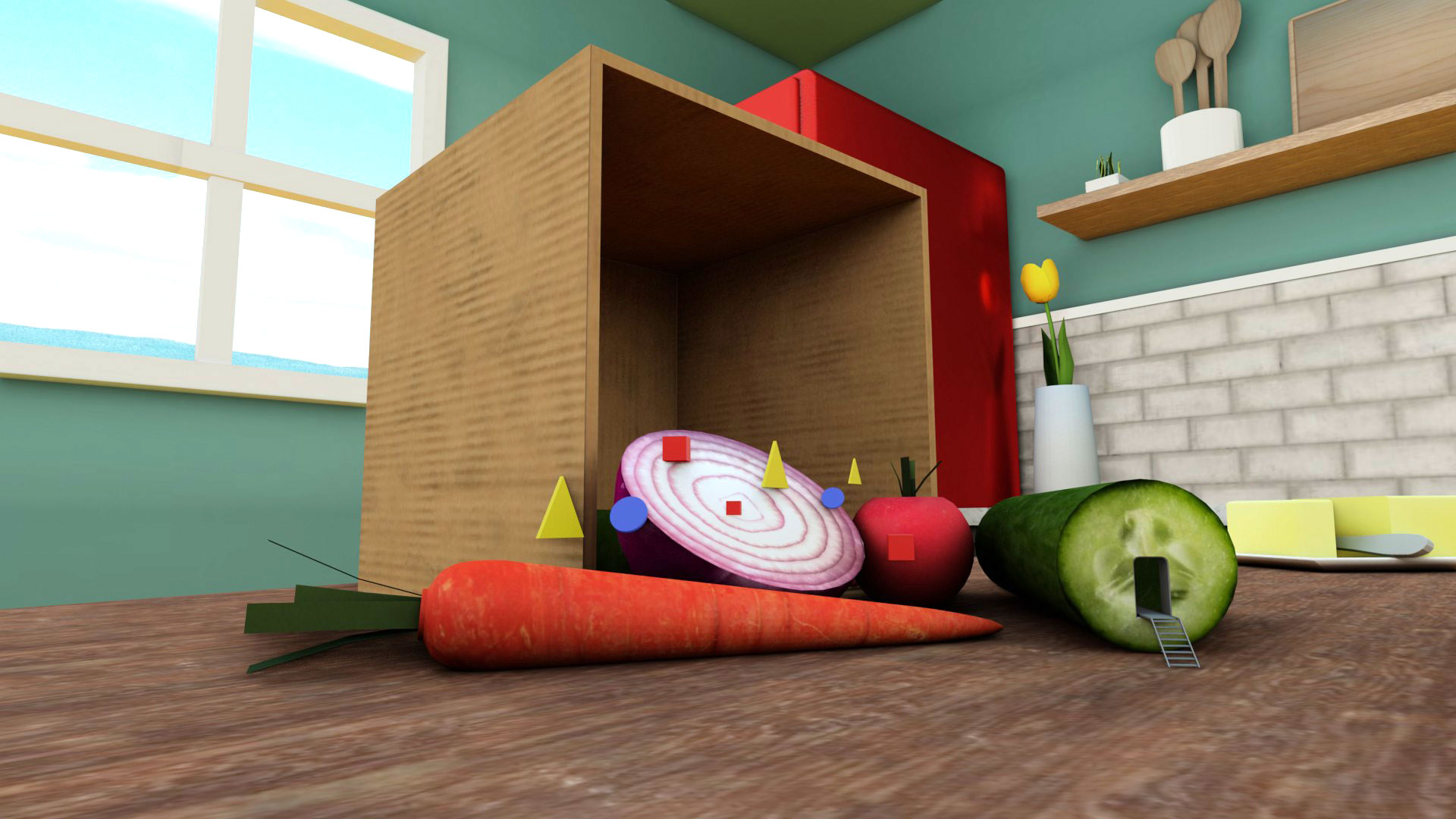
Half the world's coral reefs have already gone. Reefs cover 1% of the seabed but shelter 25% of all ocean life. The 2040s job: lab-grown coral, 3D-printed reef structures, AI-controlled drones rebuilding the seabed.
Protect Planet Teamwork Problem Solving
Food and nutrition — future synthetic food
In the lab · 2040

Synthetic Food Engineer

Real chicken, beef and fish grown from a few cells in a lab tank. First commercial nuggets sold in Singapore, 2020. By 2040, mainstream — and freeing up an area of farmland the size of the entire United States, rewildable in a generation.

Stay Healthy Problem Solving Speak Up
Curriculum links

Where this fits in your scheme of work.

Mapped to the 2028 statutory PSHE framework and the wider primary curriculum. All twelve activities work in a single Y5/Y6 mixed class.

Statutory + cross-curricular

A summary of where the 12 skills fit. Specific PSHE codes (H, R, L) listed on each card above.

SubjectSkills it coversWhere it fits
PSHE (statutory)Mental Wellbeing, Stay Healthy, First Aid, Speak Up, Teamwork, Plan Future, Manage Money, Protect PlanetSept 2028 statutory framework — H, R, L codes throughout
RHE / RSEMental Wellbeing, Plan Future, Speak UpStatutory from 2020 — bedded in across Y5/Y6
ComputingDigital World, Problem SolvingNational Curriculum — Y5/Y6 programming + e-safety
Maths (Y6)Manage Money — the budget worksheetCalculations, percentages, decimals, real-world problem solving
Science (Y5/Y6)Stay Healthy, Protect PlanetAnimals incl. humans · Living things & their habitats
Speaking & ListeningSpeak Up, Entrepreneur, TeamworkEYFS to Y6 progression — pitching, presenting, debating
🎯 Y5/6 pilot · free until 31 July 2026

Try the full Future Skills Passport with your class.

One 30–60 minute lesson a week, one skill at a time. We'll set you up, share the resources, and run a free training session for your team. Pilot schools get the full Passport experience — free until 31 July 2026 — ahead of the full KS2 launch on 7 September 2026.

Book your free pilot session →
Limited to 60 schools · first come, first served · no commitment beyond July if it's not for you